
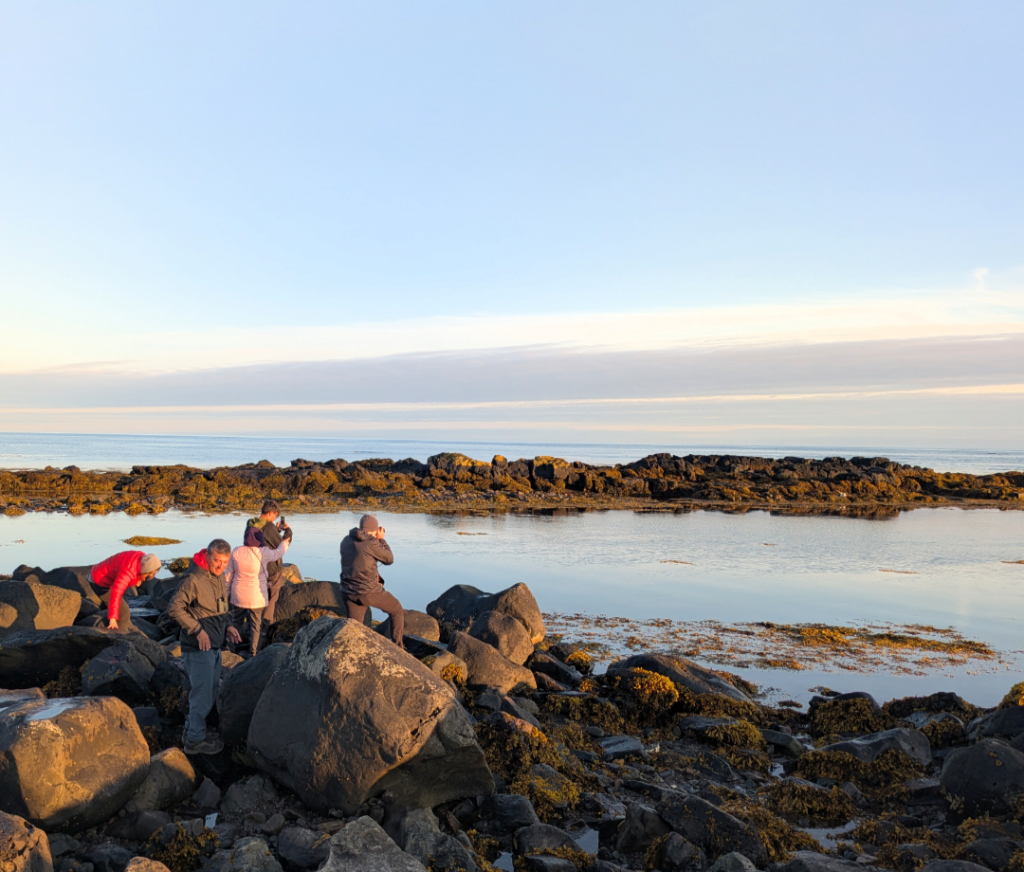
Iceland is famous for its dramatic landscapes: waterfalls, volcanoes, glaciers, and vast open spaces. But during peak season, many of the most popular spots become crowded, and the experience can feel far from wild.
To truly hike Iceland, you need to go beyond the obvious routes.
You need to understand the terrain, move through it safely, and sometimes navigate where no trail exists.
What Hiking Off the Beaten Path Really Means in Iceland
Hiking off the beaten path in Iceland doesn’t just mean avoiding crowds, it means entering areas where:
- Trails are faint or completely absent
- Navigation relies on map and compass
- The landscape itself becomes your guide
Many of these places are surprisingly close to Reykjavik, and yet remain completely untouched by mass tourism.
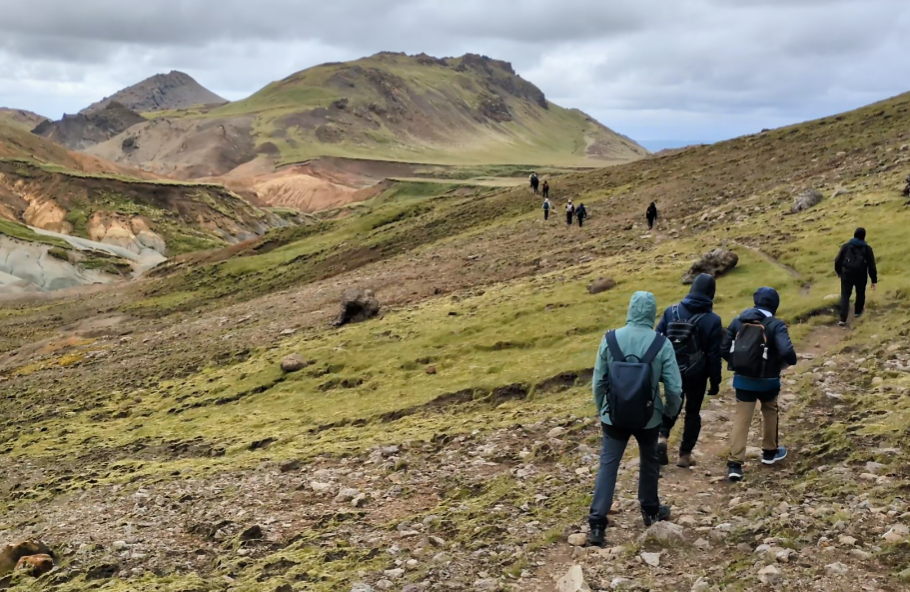
On our day treks, for example, we often hike with no trail at all for most of the day.
On one custom route, we explored an area south of the Kaldaklifsa river, discovering a hidden canyon before crossing two half-dry rivers. Using map and compass, we navigated toward the remote waterfall Skálabrekkufoss.
From there, we continued south and reached Skógafoss from the opposite side of where all tourists stand.
👉 We were completely alone.
This is what hiking in Iceland can truly feel like.
Why Orienteering Skills Are Essential
Iceland is not a typical hiking destination.
You will often face:
- Lava fields with uneven, energy-draining terrain
- Moss-covered ground hiding holes and bumps
- Sudden elevation changes
- Rapid weather shifts
Because of this, orienteering skills are not optional, they are essential.
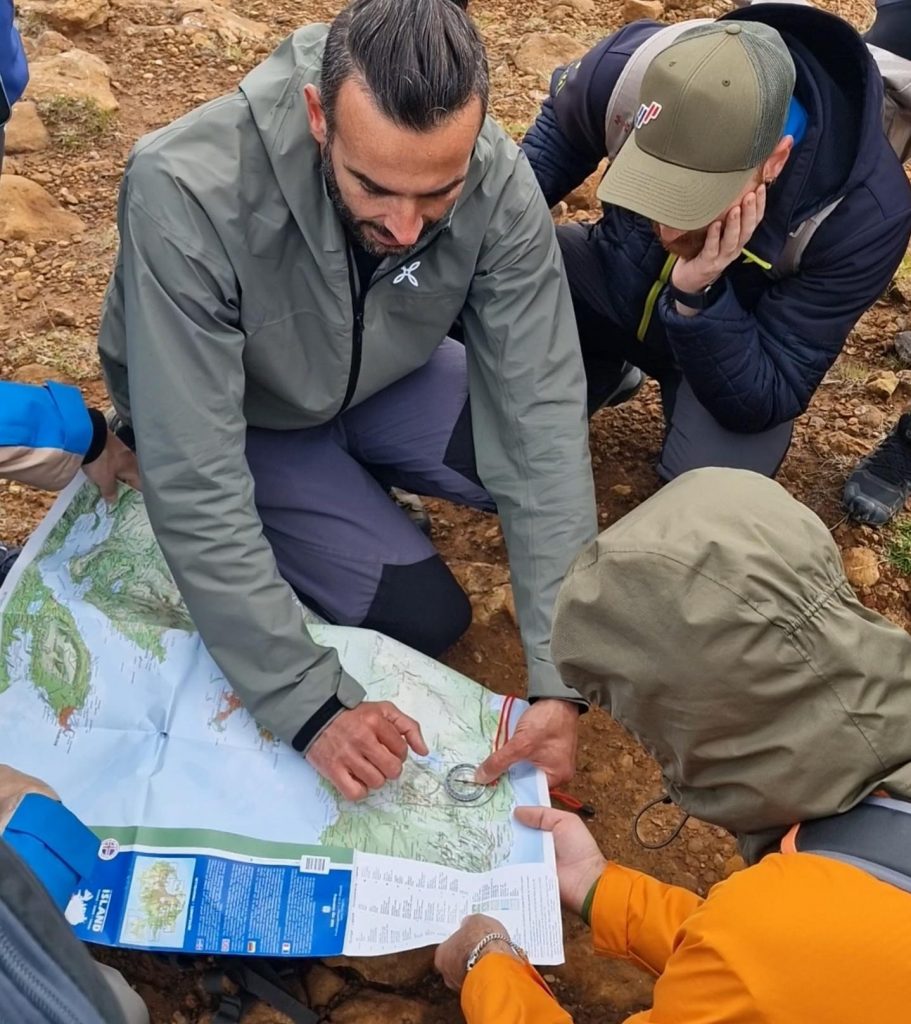
During our treks, we actively use:
- Map and compass to navigate between points
- Terrain reading to choose the safest route
- Awareness to manage effort and direction
For example, during our Seltún Day Trek, Hengill Day Trek and Akrafjall Day Trek, navigation is a core part of the experience: moving from point A to B to C using real techniques, not just following a path.
It’s Not About Distance — It’s About Terrain
One of the most common misconceptions is that hiking difficulty depends on distance.
In Iceland, that’s rarely true.
What really matters is:
- The roughness of lava fields
- The instability of rocky terrain
- Hidden bumps created by moss
- Elevation gain and exposure
We often tell our guests:
👉 “Go slow uphill, and faster when the terrain allows.”
Simple habits make a huge difference:
- Drink small amounts of water regularly
- Adjust layers constantly (sweat becomes cold quickly)
- Avoid cotton as a base layer
These details are what turn a hike from exhausting into enjoyable.
Learning in the Field: Why Guided Hiking Makes the Difference
While independent hiking is possible, learning directly in the field is far more effective.
With experienced local guides, you don’t just walk: you understand.
At Hikers of Iceland, our experiences are designed to:
- Teach real navigation skills
- Adapt to terrain and weather
- Explore areas far from tourist routes
Our day hikes typically last 4–5 hours, while day treks range from 6 to 9 hours, depending on the route and level of customization.
Most of our locations are within one hour from Reykjavik, but private tours can reach more remote areas.
Weather in Iceland: Expect the Unexpected
Weather in Iceland can change quickly, sometimes within minutes.
On one hike at Grímannsfell, we descended from the peak in the rain, only to suddenly find ourselves under clear skies and sunlight.
Being prepared for these changes is essential:
- Wear proper layers
- Stay aware of conditions
- Adapt continuously
Hidden Places Still Exist — If You Know Where to Look
Despite Iceland’s popularity, truly hidden places still exist.
One example is a remote hot spring in the Hengill area, far from the well-known Reykjadalur valley. Reaching it requires navigation skills and local knowledge, but the reward is complete solitude.
👉 This is the difference between visiting Iceland and truly experiencing it.
Planning Your Iceland Trip the Smart Way
For travelers looking to combine hiking with a broader Iceland itinerary — including self-drive trips or customized travel plans — working with specialists can make a big difference.
Companies like Eskimotime help travelers design flexible and personalized journeys across Iceland, making it easier to integrate unique hiking experiences into a larger adventure.
Safety and Professional Guidance
Exploring Iceland responsibly requires preparation and expertise.
Our guides are:
- Certified professionals
- Wilderness First Responders
- Equipped with emergency gear (including shelters when needed)
Safety is always the foundation that allows adventure to happen.
What Makes the Experience Truly Different
Many tours in Iceland focus on popular destinations, sometimes even presenting them as “hidden” or “authentic.”
But true authenticity doesn’t come from location alone.
It comes from:
- Moving through nature, not just stopping at viewpoints
- Learning how to navigate and understand the land
- Exploring places that are not designed for mass tourism
We don’t follow the idea that the highlands are the only “real Iceland.”
👉 Authentic experiences exist everywhere, if you know how to find them.
At the end of the day, many of our guests say the same thing:
👉 “It feels like we earned Iceland.”
Final Thoughts
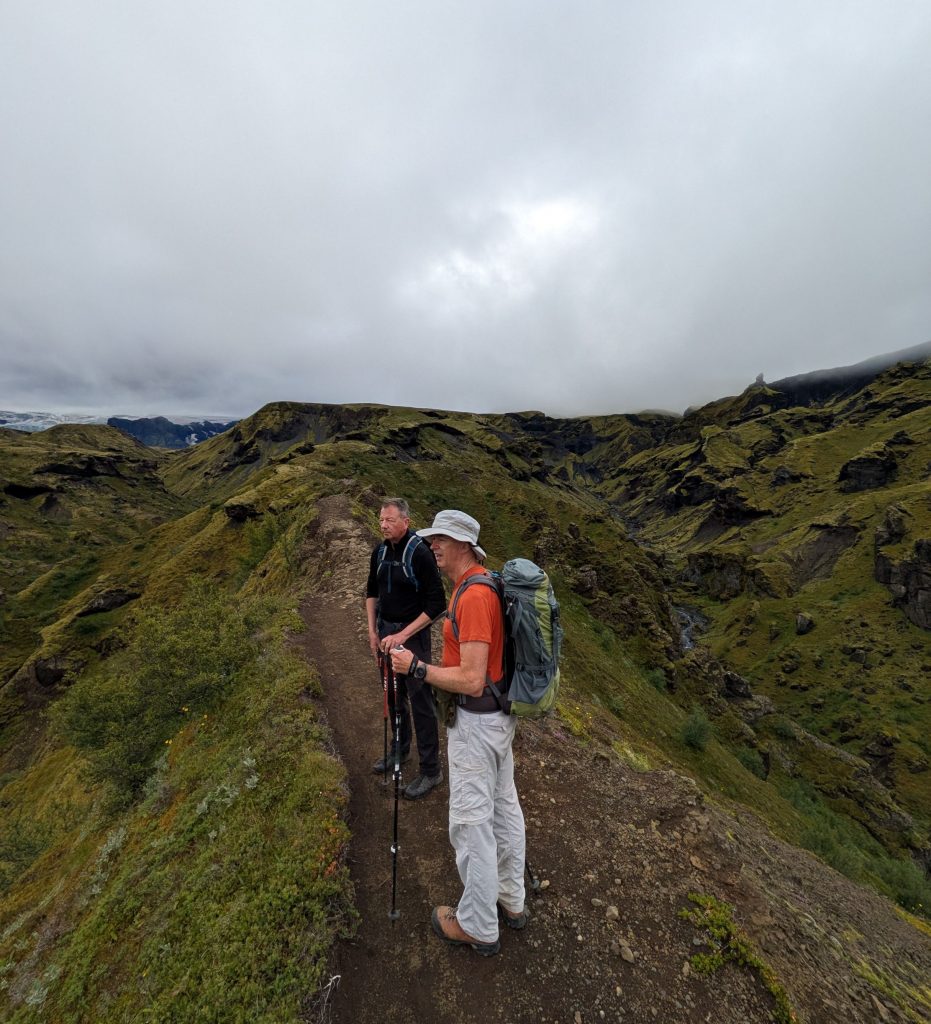
To hike Iceland is to engage with its landscape, not just observe it.
Whether you’re a beginner or an experienced hiker, the key is the same:
- Learn the terrain
- Respect the environment
- Go beyond the obvious
That’s where the real Iceland begins.
Ready to experience the real Iceland?
Explore our hiking tours or customize your own adventure